


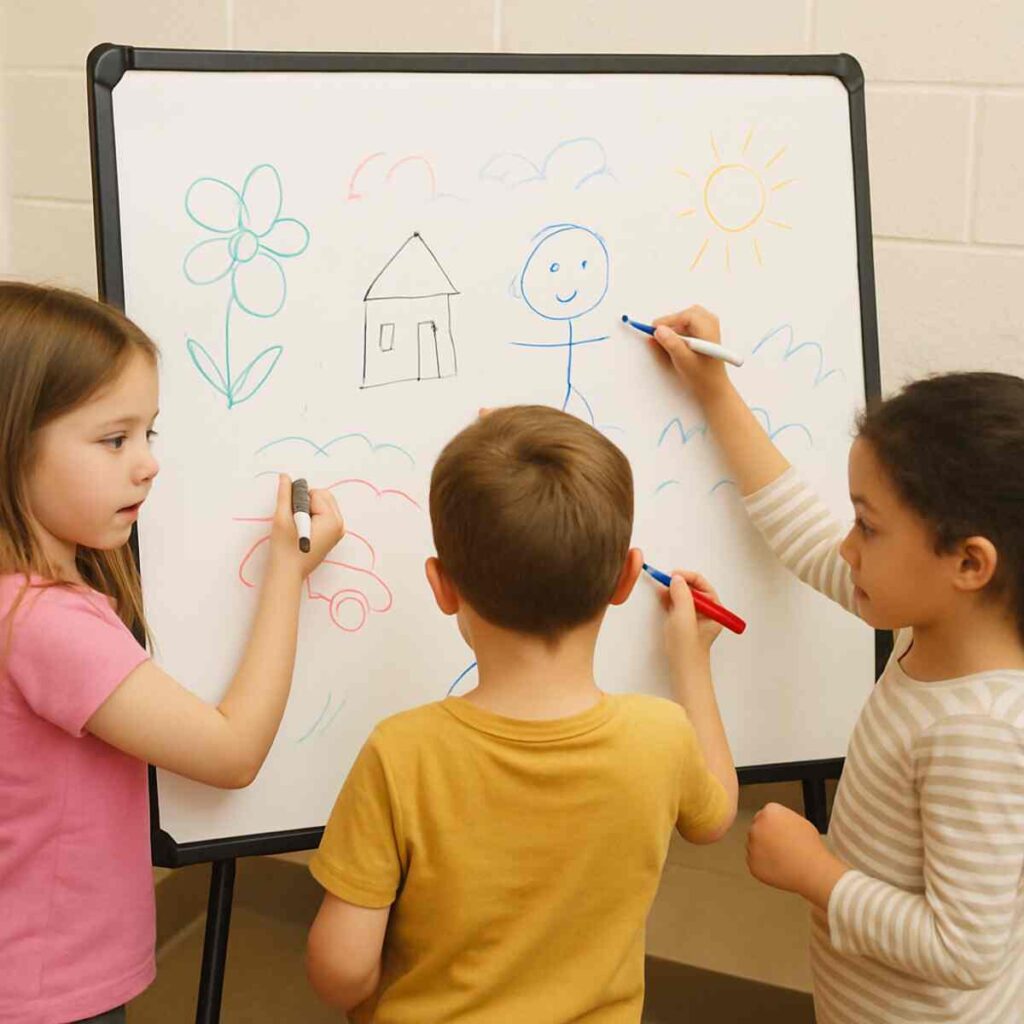
If you think whiteboards are just for classrooms and boardrooms, think again! Whiteboards are fantastic tools for fun and engaging games that people of all ages can enjoy. Whether you’re looking to entertain a group at a party, engage kids in a classroom, or just have some family fun at home, there’s a whiteboard game for every occasion. To know more, check out AWAN128
In this article, we’ll delve into some creative whiteboard games that are sure to bring smiles and laughter. These games are easy to set up, require minimal materials, and can be adapted to suit different age groups. So grab a marker and let’s get started!
Whiteboard games are not only fun but also offer several educational benefits. They can enhance creativity, improve communication skills, and encourage teamwork. The interactive nature of these games keeps participants engaged and active. Plus, they’re a great way to break the ice and get people talking!
Enhancing Creativity
Whiteboard games provide a blank canvas for players to express themselves. Whether through drawing, writing, or brainstorming, players have the opportunity to showcase their imaginative ideas. This open-ended format encourages thinking outside the box and exploring new concepts. As players engage in these activities, they naturally develop their creative skills, making whiteboard games a valuable tool for personal growth.
Improving Communication Skills
Effective communication is a key life skill, and whiteboard games can help hone this ability. Many games require players to convey ideas through drawings, gestures, or verbal explanations. This practice helps participants articulate their thoughts clearly and understand others’ perspectives. By promoting active listening and expression, whiteboard games foster better interpersonal communication.
Encouraging Teamwork
Team-based whiteboard games require collaboration and cooperation, teaching players the importance of working together towards a common goal. These games often involve strategizing, decision-making, and problem-solving as a group. Through teamwork, players learn to value diverse opinions and appreciate the strengths each member brings to the table, ultimately strengthening group dynamics.
Classic Whiteboard Games
Pictionary
A timeless classic, Pictionary is a game where players draw a word or phrase, and their teammates try to guess what it is. All you need is a whiteboard, markers, and a list of words or phrases.
- Divide Players into Teams: Form teams with an equal number of players to ensure a fair game. Teamwork and cooperation are vital, as players must rely on each other’s strengths to win. The competitive spirit often adds to the fun, as teams cheer each other on.
- Choose a Player to Draw: Select a player from a team to draw first. This player will be responsible for depicting the chosen word or phrase without using letters or numbers. The pressure of the timer adds excitement, as players must think quickly and creatively.
- Select a Word or Phrase: A designated person selects a word or phrase for the player to draw. Ensure the words vary in difficulty to keep the game challenging and engaging for all ages. This variety helps maintain interest and encourages players to think on their feet.
- Set a Timer: Set a timer, usually one minute, for the team to guess the word. The ticking clock adds urgency, prompting players to focus and engage fully with the task. This time constraint often leads to hilarious attempts and guesses, enhancing the game’s entertainment value.
- Rotate Turns: Rotate turns among players and teams, ensuring everyone has a chance to draw. This rotation keeps the game dynamic and ensures active participation from all players. As players take turns, they develop both drawing and guessing skills, making it a well-rounded activity.
Hangman
Hangman is a simple yet entertaining game that helps with spelling and vocabulary. It’s great for kids and adults alike.
- Think of a Word or Phrase: Select a word or phrase and draw blanks on the whiteboard for each letter. The mystery element of the unknown word adds intrigue and keeps players guessing. This initial step sets the stage for an engaging challenge.
- Guess Letters: Players take turns guessing letters one at a time. This process encourages analytical thinking as players try to deduce the word based on limited information. Each guess builds anticipation, especially as the correct letters begin to reveal the word.
- Draw the Hangman: For each incorrect letter guessed, draw a part of the hangman. This visual progression adds tension, as players see their chances diminishing with each mistake. It also encourages strategic guessing, as players aim to avoid too many wrong choices.
- Winning the Game: The goal is to guess the word correctly before the hangman is fully drawn. Successfully completing the word is a rewarding experience, showcasing the player’s deduction skills. This sense of achievement motivates players to continue honing their spelling and vocabulary abilities.
Interactive Whiteboard Games
Word Association
Word Association is a fantastic game to get everyone’s brain buzzing. It’s simple, fast-paced, and can be played with any number of people.
- Start with a Random Word: Begin with a random word written on the whiteboard. This word serves as the catalyst for a chain reaction of thoughts, stimulating mental activity. The randomness adds an element of surprise, making each round unique.
- Quick Responses: Ask players to quickly say the first word that comes to their mind related to the word on the board. This rapid-fire aspect encourages spontaneous thinking and helps players tap into their subconscious associations. It’s a great exercise for mental agility and quick reflexes.
- Write New Words: Write each new word on the board as it’s said. This visual record creates a word chain that players can follow, enhancing memory and recall. Seeing the words accumulate adds a sense of accomplishment and provides a visual representation of the group’s creativity.
- Restart with New Words: Continue until someone hesitates or repeats a word, then start over with a new word. This reset keeps the game fresh and ensures that players remain engaged. The challenge of avoiding repetition pushes participants to expand their vocabulary and think creatively.
Categories
Categories is a whiteboard game that is sure to get competitive juices flowing. It’s fun, educational, and a great way to learn new things.
- Choose a Category: Select a category (e.g., animals, countries, movies) and write it at the top of the board. This choice sets the thematic focus of the game, guiding players’ thinking. Categories can be broad or specific, depending on the desired difficulty level.
- Write Words: Set a timer and have players write as many words as they can think of in that category. The time constraint adds excitement and urgency, prompting players to think quickly. This activity encourages brainstorming and helps expand participants’ knowledge within the chosen category.
- Count Words: Once time is up, count the words to determine the winner. This competitive element motivates players to push their limits and strive for victory. The counting process also provides an opportunity to discuss and learn about new words, enhancing the educational aspect of the game.
- Adapt Difficulty Levels: This game can be adapted for different difficulty levels by choosing broader or more specific categories. Adjusting the complexity ensures that the game remains accessible and enjoyable for players of all ages and skill levels.
Creative Whiteboard Games for Kids
Story Time
Story Time is a fantastic way for kids to flex their creative muscles and practice storytelling.
- Begin the Story: Start by writing the first sentence of a story on the whiteboard. This opening line sets the scene and sparks the children’s imaginations. The initial sentence often determines the story’s direction, making it an exciting starting point.
- Collaborative Storytelling: Ask each child to add a sentence to continue the story. This collaborative approach fosters creativity and teamwork as kids build on each other’s ideas. The evolving narrative often takes unexpected turns, delighting participants with surprises.
- Encourage Creativity: Encourage creativity and let the story take unexpected turns. This freedom empowers children to explore their imaginations and express themselves without constraints. As the story unfolds, kids develop their narrative skills and learn the art of storytelling.
- Foster Imagination: This game helps kids improve their narrative skills and imagination. The open-ended format allows for endless possibilities, encouraging children to think creatively and innovate. Through storytelling, kids gain confidence in their ability to create and communicate.
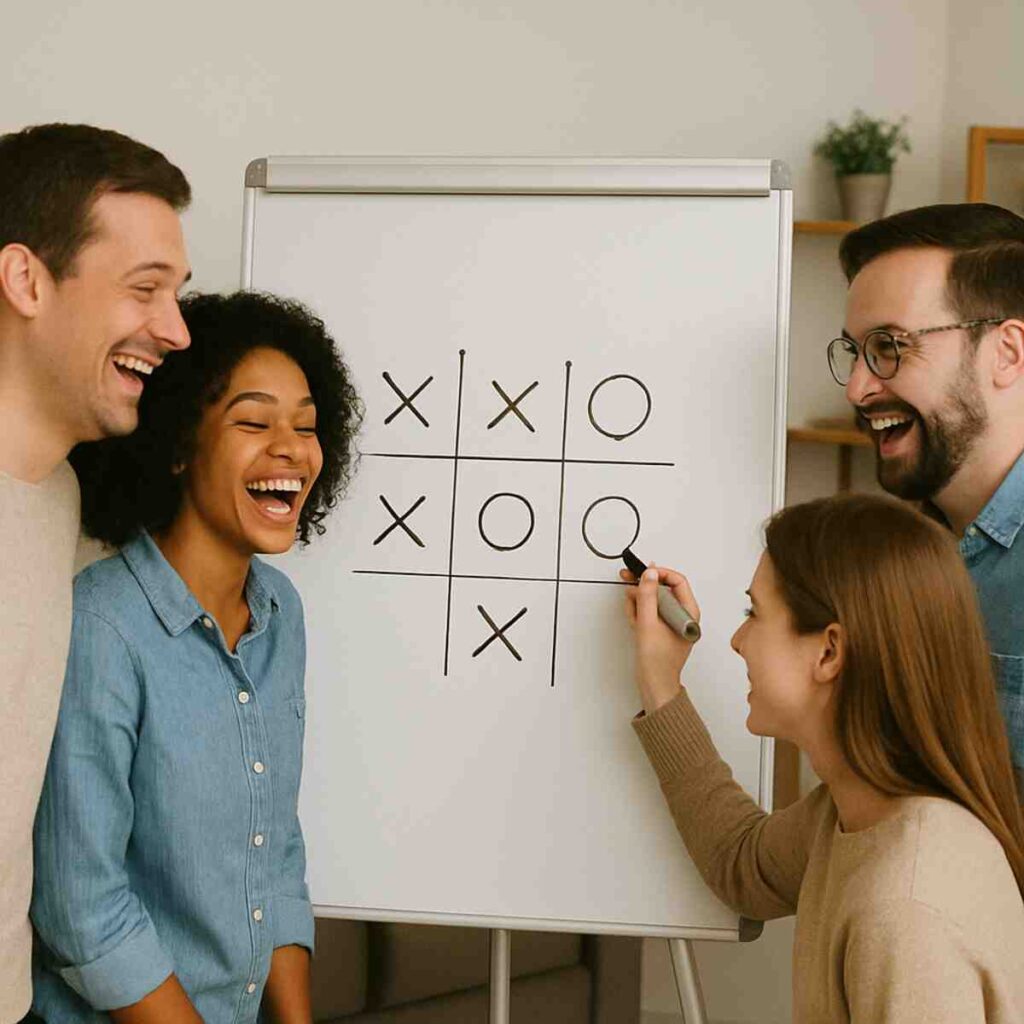
Tic-Tac-Toe with a Twist
Add a twist to the classic Tic-Tac-Toe by introducing new rules or challenges.
- Draw the Grid: Draw a standard Tic-Tac-Toe grid on the board. This familiar setup provides a comfortable starting point for players, allowing them to focus on the new twists. The grid serves as a foundation for the modified game.
- Introduce Challenges: Add challenges, like drawing the symbol with your non-dominant hand or with your eyes closed. These variations increase the difficulty and add a layer of humor to the game. Players must adapt to the new rules, enhancing their problem-solving skills.
- Play with New Rules: Play with the new rules to make the game more exciting. The twists require players to think creatively and strategize differently, ensuring that each round is a fresh experience. This variation keeps the game engaging and fun for all participants.
- Enhancing Problem-Solving Skills: The modified game encourages players to think critically and adapt to new challenges. As they navigate the twists, players enhance their problem-solving skills and learn to approach familiar tasks from new angles.
Fun for the Whole Family
Charades with a Twist
Charades is a fun game that can be easily adapted to a whiteboard setting.
- Write Actions or Phrases: Write various actions or phrases on the board. This preparation provides a diverse range of prompts for players to act out. The variety ensures that each round is unique and keeps the game interesting.
- Acting Without Speaking: Choose a player to act out the word or phrase without speaking. This non-verbal communication challenges players to convey meaning through gestures and expressions. The silent performance often leads to laughter and memorable moments.
- Guess the Word: Guess the word based on the player’s actions. This aspect encourages participants to pay close attention and interpret the actor’s movements. The guessing process adds excitement and fosters interaction among players.
- Enhancing Non-Verbal Communication: Adding a whiteboard allows for drawing and acting simultaneously, adding an extra layer of fun. This combination of verbal and non-verbal cues enhances players’ ability to communicate effectively without words.
Memory Challenge
Memory Challenge is a great game for all ages that also helps improve concentration and memory skills.
- Create a Grid: Draw a grid on the whiteboard and fill it with pairs of matching symbols or words. This setup provides a visual challenge for players to memorize and recall. The grid layout adds structure to the game, making it easy to follow.
- Memorization Exercise: Erase the board after showing the players the grid for a few seconds. This brief exposure tests players’ memory skills and encourages focused attention. The challenge of recalling the grid sharpens concentration and mental acuity.
- Recall and Write: Challenge players to recall and write down as many pairs as they remember. This step reinforces memory retention and provides a sense of achievement as players successfully recall the information. The exercise enhances cognitive abilities and encourages mental discipline.
- Improving Concentration Skills: The game helps improve concentration and memory skills by challenging players to focus and recall information accurately. Through repeated practice, participants develop stronger memory capabilities and learn effective memorization techniques.
Conclusion
Whiteboard games are a versatile, fun, and educational way to bring people together. Whether you’re a teacher looking to engage students, a parent searching for family activities, or a group of friends wanting to laugh, these games are sure to deliver. So, the next time you have a whiteboard handy, give these games a try and watch as the fun unfolds!
Bringing People Together
Whiteboard games are more than just a source of entertainment; they are a means to foster connections and build relationships. By engaging in these activities, participants share laughter, joy, and camaraderie, creating lasting memories. The shared experience of playing together strengthens bonds and promotes a sense of community.
Educational and Fun
The educational benefits of whiteboard games make them an ideal choice for both learning and leisure. These games provide an enjoyable way to reinforce academic concepts, develop life skills, and encourage personal growth. The combination of fun and education ensures that players are both entertained and enriched.
Adaptable for Any Occasion
Whiteboard games are incredibly versatile, making them suitable for a wide range of occasions and settings. Whether it’s a casual family gathering, a classroom activity, or a social event, these games can be easily adapted to fit the context. Their flexibility ensures that everyone can participate and enjoy, regardless of age or background.
So, the next time you have a whiteboard handy, give these games a try and watch as the fun unfolds!