

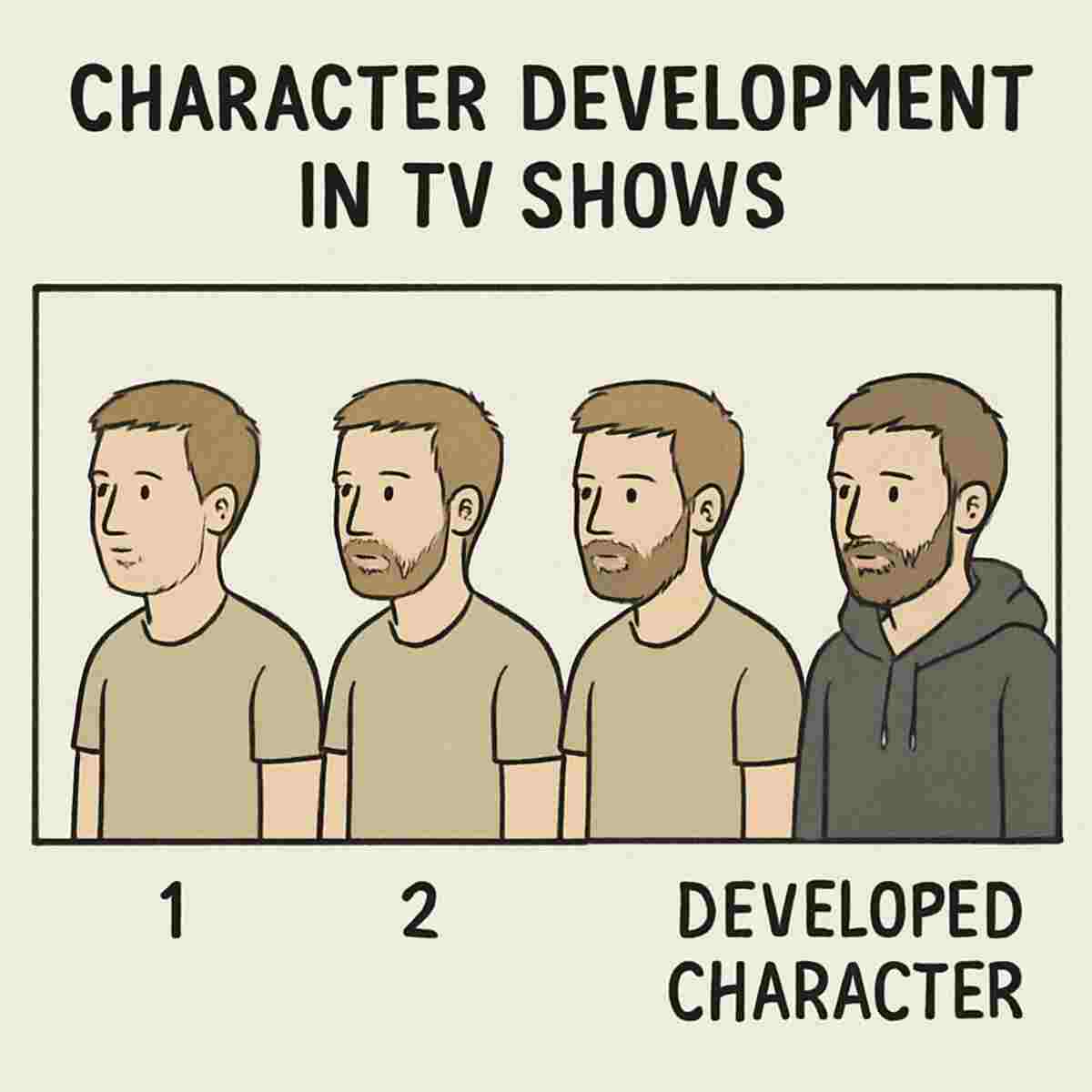

Hey there, fellow TV buffs and aspiring writers! Ever found yourself glued to the screen watching “Yeh Rishta Kya Kehlata Hai”? If so, you’re not alone! This show has been a staple in Indian television for over a decade, captivating audiences with its intriguing plotlines and unforgettable characters. But what makes the characters in “Yeh Rishta Kya Kehlata Hai” so engaging and relatable? Let’s dive into the world of this iconic series and explore the evolution of its beloved characters. What do you consider about Yeh Rishta Kya Kehlata Hai Written Update.
Character development is the heartbeat of any compelling story. Whether you’re an aspiring novelist, a content marketer, or a graduate student, understanding how characters evolve can significantly enhance your writing skills. In “Yeh Rishta Kya Kehlata Hai,” character evolution is masterfully executed, drawing viewers into the lives and emotional journeys of the characters.
Understanding Character Arcs
Character arcs are crucial in driving the narrative forward. In “Yeh Rishta Kya Kehlata Hai,” each character’s arc is thoughtfully crafted, reflecting real-life experiences and emotions. A well-developed arc ensures that characters grow naturally and face challenges that test their values and resilience. This aspect is vital for writers aiming to create authentic and relatable characters.
Emotional Depth and Relatability
The emotional depth of characters in “Yeh Rishta Kya Kehlata Hai” is one of the show’s standout features. By showcasing a range of emotions, from joy to heartbreak, the series allows viewers to connect deeply with the characters. Writers can enhance their storytelling by ensuring their characters experience a broad emotional spectrum, making them more relatable to the audience.
The Importance of Backstory
A rich backstory adds layers to a character, making them more three-dimensional. In “Yeh Rishta Kya Kehlata Hai,” characters are often shown with detailed backgrounds that influence their current actions and decisions. Crafting a detailed backstory for your characters can provide insights into their motivations and help in developing a more cohesive narrative.
Meet the Characters: From Start to Present
The series began with the story of Akshara and Naitik, a newlywed couple navigating the ups and downs of married life. Over the years, we’ve seen these characters grow, face challenges, and transform in remarkable ways.
Akshara’s Journey Through Time
Akshara, initially portrayed as a young, naive bride, evolves into a strong, independent woman. Her transformation is a testament to resilience and adaptability, making her a character that resonates with viewers across generations. Aspiring writers can learn from Akshara’s journey by crafting characters that face relatable challenges and grow from them.
- From Naivety to Strength: Akshara’s initial portrayal as a naive bride set the stage for her growth. Her experiences, both joyful and challenging, contribute to her evolution into a strong, independent woman. Writers can create similar arcs by introducing challenges that allow characters to demonstrate resilience.
- The Role of Relationships: Akshara’s relationships, particularly with her family and Naitik, play a significant role in her development. These interactions highlight her nurturing nature and ability to balance personal and familial responsibilities. Understanding the impact of relationships on character growth can enrich your storytelling.
- Facing and Overcoming Challenges: Akshara’s journey is marked by numerous challenges that test her strength and resolve. By overcoming these obstacles, she becomes a role model for viewers. Crafting characters who learn and evolve through adversity can make for compelling narratives.
Naitik’s Growth and Transformation
Naitik’s character development is equally captivating. From a responsible husband to a devoted father and successful businessman, his journey reflects the multifaceted nature of real-life roles. Writers can take a cue from Naitik’s evolution by creating dynamic characters who balance multiple aspects of their lives.
- Balancing Roles: Naitik’s character is a fine example of balancing various roles, from a loving husband to a responsible father and businessman. Writers can create multifaceted characters by exploring how they juggle different responsibilities and how these roles intersect.
- Evolving Through Relationships: Naitik’s growth is significantly influenced by his relationships, particularly with Akshara and his family. These interactions provide opportunities for character development, showcasing the importance of supportive and challenging relationships in personal growth.
- Facing Professional Challenges: Naitik’s journey also delves into his professional life, highlighting his growth as a businessman. Writers can explore similar themes by depicting characters who face and overcome career-related challenges, adding depth and realism to their stories.
The Next Generation: New Faces, New Stories
As the series progresses, new characters emerge, each with their unique stories and challenges. These characters bring fresh perspectives and dynamics to the series, ensuring it remains engaging and relevant.
- Introducing New Characters: The introduction of new characters keeps the storyline fresh and exciting. These characters often challenge existing dynamics, offering new opportunities for conflict and growth. Writers can revitalize their stories by thoughtfully introducing new characters that add depth and intrigue.
- Building on Legacy: New characters often carry the legacy of their predecessors while forging their paths. This balance of legacy and individuality provides a rich ground for storytelling, allowing writers to explore themes of heritage, identity, and innovation.
- Creating Intergenerational Narratives: The interaction between different generations in the series provides a nuanced exploration of tradition and modernity. Writers can craft compelling narratives by highlighting how generational differences and similarities shape character interactions and development.
Spoilers Alert: What’s Happening Now?
For those who can’t get enough of the latest “Yeh Rishta” gossip and spoilers, the series continues to deliver unexpected twists and turns. The current storyline introduces new characters and challenges that keep fans on the edge of their seats.
Engaging Plot Twists
Plot twists are essential for maintaining viewer interest. “Yeh Rishta Kya Kehlata Hai” excels in weaving intricate plots that surprise and delight audiences. For content marketers and writers, incorporating plot twists into your stories or articles can keep your audience engaged and eager for more.
- Crafting the Unexpected: Effective plot twists surprise the audience while remaining believable within the story’s context. “Yeh Rishta Kya Kehlata Hai” masterfully balances surprise and plausibility, offering writers a blueprint for crafting impactful plot twists that enhance the narrative.
- Building Suspense and Anticipation: The series builds suspense by hinting at potential twists, keeping viewers guessing about future developments. Writers can employ similar techniques by planting subtle clues and red herrings that maintain tension and intrigue throughout the story.
- Impact on Character Development: Plot twists often serve as catalysts for character growth and transformation. In “Yeh Rishta Kya Kehlata Hai,” twists force characters to confront their beliefs and adapt to new realities. Writers can leverage plot twists to drive character evolution and explore new narrative directions.
The Role of New Characters
New characters bring fresh perspectives and dynamics to the series. They challenge existing relationships and introduce new conflicts. This is a valuable lesson for writers: introducing new characters can revitalize a story and offer new opportunities for character development.
- Adding Complexity and Depth: New characters add layers to the narrative, enriching the story’s complexity. These characters often introduce new subplots and conflicts, providing writers with opportunities to explore diverse themes and character interactions.
- Creating Tension and Conflict: The arrival of new characters often disrupts established dynamics, creating tension and conflict. Writers can use new characters to challenge protagonists, reveal hidden traits, and drive the story forward through conflict resolution.
- Expanding the Narrative Universe: New characters expand the story’s universe, introducing new settings, cultures, and perspectives. Writers can enhance their narratives by integrating characters that bring diverse backgrounds and experiences, adding richness and depth to the story world.
Writing Tips from the Show
Watching “Yeh Rishta Kya Kehlata Hai” offers more than just entertainment; it’s a masterclass in storytelling. Here are some tips writers can glean from the show’s success:
Crafting Relatable Characters
Characters that feel real and relatable are at the core of “Yeh Rishta Kya Kehlata Hai.” To create such characters, writers should focus on developing backstories, motivations, and emotional arcs that resonate with their audience.
- Understanding Motivations and Goals: Relatable characters have clear motivations and goals that drive their actions. Writers can create compelling characters by exploring what motivates them, ensuring their actions align with their desires and challenges.
- Highlighting Flaws and Strengths: Characters who possess both strengths and flaws feel more authentic and human. Writers should strive to create well-rounded characters by highlighting their vulnerabilities and strengths, allowing for growth and transformation.
- Connecting with the Audience: Relatable characters reflect the audience’s experiences and emotions. Writers can connect with their audience by creating characters that resonate with universal themes such as love, loss, and personal growth.
Dialogue That Resonates
The dialogue in the series is both engaging and authentic. Writing dialogue that feels natural and true to your characters can elevate your story. Practice by listening to real conversations and incorporating those nuances into your writing.
- Capturing Authentic Speech: Effective dialogue captures the nuances of real speech, including rhythms, pauses, and colloquialisms. Writers can enhance their dialogue by observing real conversations and replicating these patterns in their writing.
- Reflecting Character Voice: Each character should have a distinct voice that reflects their personality, background, and emotions. Writers can achieve this by tailoring dialogue to suit each character, ensuring consistency and authenticity.
- Advancing the Plot: Dialogue should serve multiple purposes, including advancing the plot, revealing character traits, and building relationships. Writers can make their dialogue more impactful by ensuring it contributes to the story’s progression and character development.
Navigating Complex Relationships
The series excels in portraying complex family dynamics and relationships. Writers can learn to craft intricate relationships that mirror the complexity of real life, adding depth to their stories.
- Exploring Family Dynamics: Complex family relationships are a central theme in “Yeh Rishta Kya Kehlata Hai.” Writers can add depth to their narratives by exploring family dynamics, including conflicts, alliances, and generational differences.
- Depicting Friendship and Romance: The series portrays various forms of relationships, from friendships to romantic partnerships. Writers can enhance their storytelling by depicting diverse relationships that evolve over time, reflecting the complexities of real-life connections.
- Resolving Conflict Through Growth: Conflict is an integral part of relationships, driving growth and change. Writers can create compelling narratives by incorporating conflict resolution that leads to character development and stronger relationships.
Exercises to Enhance Your Writing
Ready to apply these insights to your writing? Here are a few exercises to get you started:
- Character Backstory: Write a detailed backstory for one of your characters. Consider their upbringing, significant life events, and how these experiences shape their actions and decisions. Reflect on how this backstory influences their interactions and choices within the story.
- Dialogue Practice: Create a dialogue exercise where two characters with opposing views must reach a compromise. Focus on making the conversation feel authentic and dynamic. Pay attention to how each character’s voice and motivations influence their dialogue and reactions.
- Plot Twist Brainstorm: List five potential plot twists for your current writing project. Consider how these twists would impact your characters and story progression. Reflect on the feasibility and impact of each twist, ensuring they enhance the narrative and character development.
- Relationship Mapping: Create a relationship map for your characters, detailing their connections, conflicts, and alliances. Use this map to explore how these relationships evolve over time, adding complexity and depth to your narrative.
- Emotional Arc Exploration: Choose a character and outline their emotional journey throughout the story. Identify key moments that trigger emotional change and growth, ensuring a cohesive and impactful emotional arc.
Conclusion: Embrace the Journey
“Yeh Rishta Kya Kehlata Hai” offers a treasure trove of inspiration for writers of all kinds. By studying the show’s character evolution, plot twists, and dialogue, you can enhance your writing skills and create stories that captivate and resonate with your audience. So, grab a notebook, channel your inner storyteller, and embrace the journey of character development and storytelling. Who knows? You might just create the next iconic series!
Happy writing, and may your characters evolve in ways that surprise and delight your readers!
