

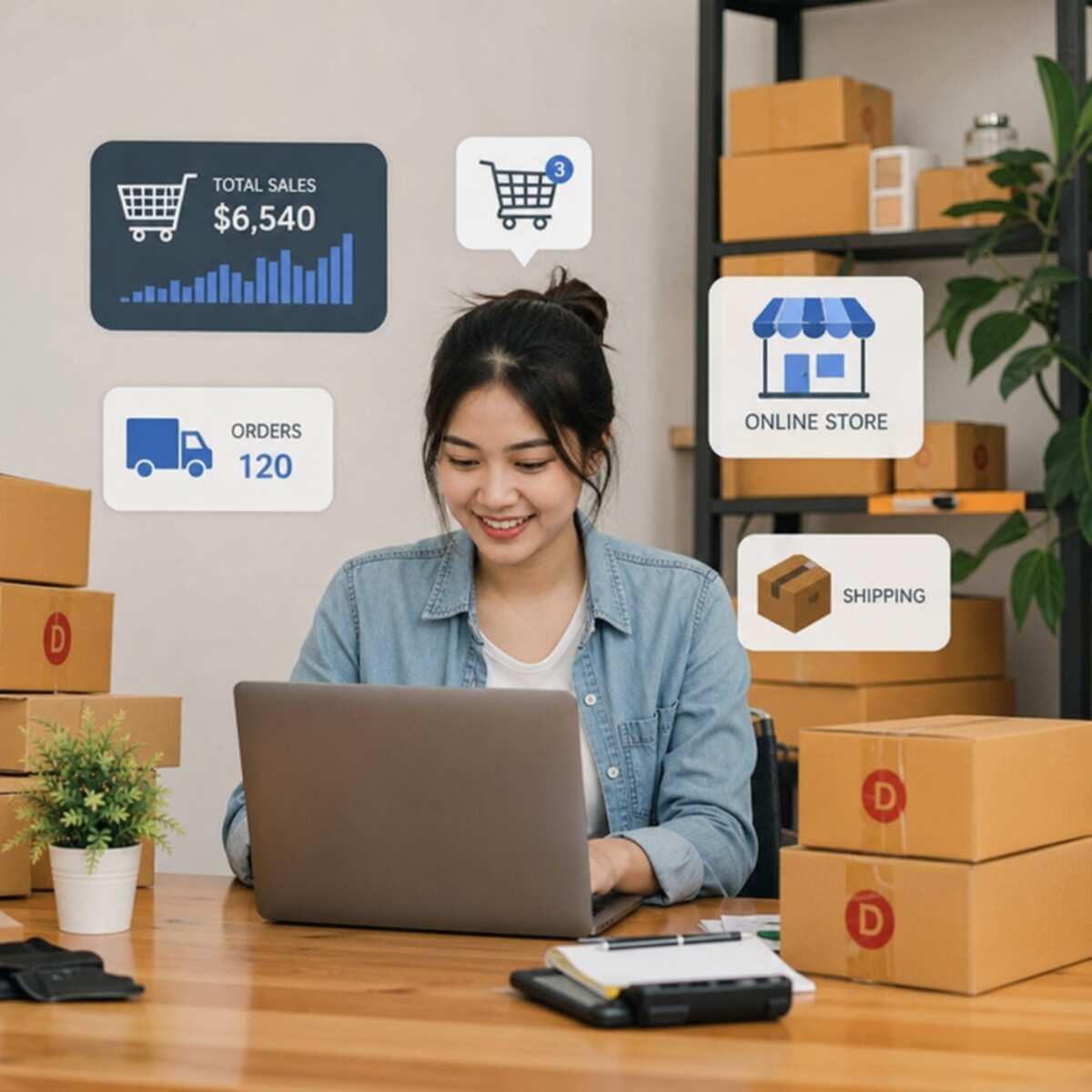

The world of e-commerce moves at breakneck speed, and for entrepreneurs looking to build scalable businesses without the burden of holding inventory, the dropshipping model remains a powerhouse. However, the landscape has evolved significantly. If you are wondering, “Is dropshipping from China still profitable?” the answer is a resounding yes—but only if you abandon outdated tactics and adopt a modern, highly optimized approach. Often the Amazing fact about dropshipping from china.
Gone are the days of throwing up a basic storefront, sourcing the cheapest products available, and hoping customers won’t mind waiting six weeks for delivery. Today’s consumers expect quality, transparency, and speed. Dropshipping from China for U.S. ecommerce sellers is no longer a “get-rich-quick” scheme; it is a sophisticated global supply chain strategy that requires careful planning, legal compliance, and exceptional customer service.
In this comprehensive guide, we will explore the exact strategies, tools, and legal frameworks you need to build a highly profitable e-commerce brand by leveraging overseas suppliers.
The Foundation of Sourcing: Finding the Right Partners
Your business is only as strong as your supply chain. When sourcing products overseas, your supplier becomes your de facto warehouse manager, quality control team, and fulfillment center. Choosing the wrong partner can lead to delayed shipments, poor product quality, and a ruined brand reputation.
AliExpress vs Alibaba for US Dropshipping
When entrepreneurs first start dropshipping, they usually gravitate toward two giants of the B2B and B2C world: AliExpress and Alibaba. Understanding the distinction between these two platforms is critical for your scaling strategy.
AliExpress is primarily a B2C (Business-to-Consumer) platform, though it is heavily used by dropshippers.
- Pros: There are virtually no Minimum Order Quantities (MOQs). You can buy a single item and have it shipped directly to your customer. The platform is incredibly user-friendly and integrates seamlessly with major e-commerce platforms.
- Cons: Because you are dealing with middlemen and retail prices, your profit margins are lower. Furthermore, packaging is often generic, making brand building difficult.
Alibaba is a B2B (Business-to-Business) platform that connects global buyers with overseas manufacturers and trading companies.
- Pros: Pricing is significantly lower because you are buying closer to the source. This platform allows for deep customization, making it the ideal choice for private label dropshipping with overseas manufacturing.
- Cons: Alibaba suppliers typically require high MOQs. However, many modern suppliers are adopting the dropshipping model and will negotiate lower MOQs or offer dedicated dropshipping services if you can demonstrate consistent daily order volume.
The Strategy: Use AliExpress to test products. Once you find a winning product that generates consistent daily sales, transition to an Alibaba supplier or a dedicated dropshipping agent to lower your cost of goods sold (COGS) and improve packaging.
How to Find Reliable Chinese Suppliers
Finding a supplier is easy; finding a reliable one takes investigative work. Here are the steps to vet potential partners:
- Check their Business License and History: On Alibaba, look for “Verified Suppliers.” This means a third-party company has visited their physical factory or office to verify their legitimacy. Check how many years they have been on the platform.
- Test Communication Speed and Quality by Sending a detailed inquiry. Do they respond within 24 hours? Do they answer all your questions, or do they give vague, one-word replies? Clear communication is your only lifeline when things go wrong.
- Order Samples First: Never sell a product you haven’t held in your own hands. Order samples from 3 to 4 different suppliers. Compare the shipping speed, product quality, and packaging.
- Look for Specialization: Avoid “supermarket” suppliers who sell everything from dog toys to consumer electronics. Look for manufacturers that specialize in one specific niche. They will have better quality control and deeper product knowledge.
Securing Quality: Quality Control Inspection Services in China
One of the biggest risks of dropshipping from China is the inability to inspect inventory before it reaches your customer. If a manufacturer produces a bad batch, you might not know until a wave of furious customer complaints hits your inbox.
To mitigate this, successful brand owners utilize quality control inspection services in China. Companies like V-Trust, QIMA, or local sourcing agents can visit the factory on your behalf. They perform pre-shipment inspections based on Acceptable Quality Limit (AQL) standards.
Even if you are dropshipping one item at a time via an agent, require your agent to perform basic visual inspections before dispatching the items. Ensuring your product works as advertised is the single best way to reduce refund rates and chargebacks.
Private Label Dropshipping with Overseas Manufacturing
To truly stand out in the crowded U.S. e-commerce market, you must build a brand. Generic products face fierce price competition. The solution is private label dropshipping with overseas manufacturing.
Private labeling involves working directly with a manufacturer to customize a product or its packaging. While true manufacturing might require bulk orders, many sourcing agents now offer “lite” private labeling for dropshippers. This includes:
- Adding your brand logo to the product via laser engraving or printing.
- Customizing the packaging (e.g., rigid gift boxes with your branding).
- Including custom inserts, thank-you cards, or discount codes inside the package.
By transforming a generic commodity into an exclusive branded experience, you can charge premium prices, drastically increasing your profit margins.
Navigating Logistics: Mastering the Shipping Game
The Achilles heel of the dropshipping model has historically been shipping times. Modern U.S. consumers, spoiled by Amazon Prime’s two-day shipping, are rarely willing to wait 30 to 45 days for an order. If you want to survive, you must optimize your logistics.
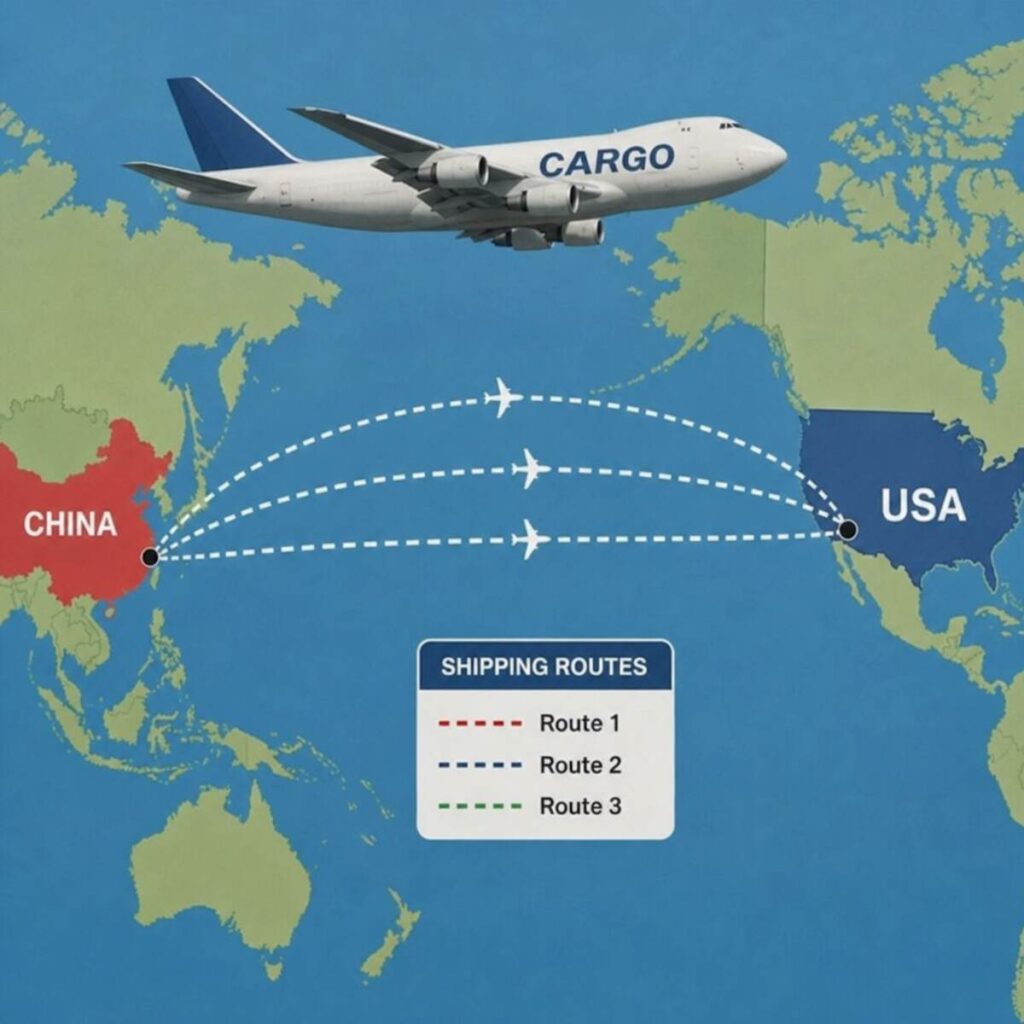
ePacket Alternatives for Ecommerce Sellers
For years, “ePacket” was the golden child of dropshipping. It was a subsidized shipping agreement between the U.S. Postal Service and foreign postal services that allowed small, lightweight packages to be shipped cheaply from China to the USA.
However, global postal changes and rate increases have rendered ePacket slow and unreliable. Smart merchants have moved on to far superior ePacket alternatives for ecommerce sellers.
Private shipping lines (often called “Special Lines”) offer a hybrid shipping model. The package is flown commercially from China to the U.S., cleared through customs in bulk, and then handed off to a local courier (such as USPS, UPS, or FedEx) for the final “last-mile” delivery.
Top alternatives include:
- YunExpress: Widely considered the gold standard for dropshippers, offering excellent tracking and reliable delivery times (usually 6 to 12 days to the U.S.).
- CNE Express: A fantastic alternative with highly competitive pricing and fast transit times.
- Yanwen: While their standard options are slower, their “Yanwen Express” or “Special Line” services are highly reliable.
Fastest Shipping Methods from China to USA
If you are selling high-ticket items or need to expedite a replacement for an angry customer, you need to know the fastest shipping methods from China to USA.
- Express Couriers (DHL, FedEx, UPS): This is the absolute fastest way to move a product globally. Transit times can be as low as 3 to 5 days. However, the cost is exceptionally high and is usually calculated by “dimensional weight” (the physical size of the box rather than just its actual weight). This is rarely viable for standard dropshipping unless you are selling luxury goods.
- Air Freight (Dedicated Air Cargo): Takes about 5 to 8 days and is used heavily by private agents. It strikes the best balance between speed and cost for U.S. sellers.
- Sea Freight: Taking 25 to 40+ days, sea freight is useless for dropshipping individual orders to end-consumers. It is only relevant if you transition to buying inventory in bulk and storing it in a U.S. 3PL (Third-Party Logistics) warehouse.
Managing Long Shipping Times Customer Expectations
Even with the best shipping lines, international logistics will occasionally experience delays due to weather, customs holds, or flight shortages. The key to preventing disputes and chargebacks is managing long shipping times customer expectations.
1. Radical Transparency on Your Website Never hide your shipping times. Place clear shipping estimates on your product pages, checkout page, and in your FAQ section. If shipping takes 8-14 days, state exactly that. Customers are often willing to wait if they know exactly what they are getting into; they only get angry when they feel deceived.
2. Automated Communication Flows Use your email marketing software to set up post-purchase automation.
- Day 1: Order confirmation and a reminder of the shipping timeline.
- Day 3: A “Your order is being processed and packaged” update.
- Day 5: Tracking number provided, with an explanation that it may take a few days for the courier’s system to update.
- Day 10: A friendly check-in, offering customer support for any questions.
3. Provide a Robust Tracking Page Use an app on your store that translates Chinese tracking data into easily readable English updates. Apps like 17TRACK or AfterShip keep the customer on your website rather than sending them to a confusing foreign courier site.
The Legal and Financial Realities of Importing
Many dropshippers mistakenly believe that because they never physically handle the inventory, they are exempt from the legal requirements of international trade. This is a dangerous misconception. When you orchestrate the sale of goods from overseas into the United States, you must abide by federal trade regulations and state tax laws.
Importing Products from China to US Legal Requirements
While your dropshipping supplier is technically the “Shipper” and your U.S. customer is the “Consignee” (the ultimate importer of record for small parcels), your business is legally responsible for the products you place into the U.S. stream of commerce.
When importing from china, you must ensure that your products meet U.S. safety standards. For example:
- Toys and Children’s Products: Must comply with the Consumer Product Safety Improvement Act (CPSIA) and undergo lead and phthalate testing.
- Cosmetics and Skincare: Must adhere to FDA labeling requirements.
- Electronics: Should have FCC certification to ensure they do not emit hazardous radio frequency interference.
Ignorance of these laws is not a valid legal defense. If a cheap electronic device you drop-shipped catches fire in a U.S. home, your business can be held fully liable. Always request compliance certificates from your Chinese suppliers for regulated product categories.
US Customs Duties for Small Imports
Understanding how U.S. Customs and Border Protection (CBP) assesses taxes on incoming goods is vital. Fortunately, U.S. dropshippers currently benefit heavily from “Section 321.”
Section 321 of the U.S. Code sets forth the De Minimis threshold. Under this rule, US customs duties for small imports are entirely waived if the fair retail value of the shipment to a single individual on a single day is under $800.
Because the vast majority of dropshipped, direct-to-consumer packages fall well below this $800 threshold, they enter the United States duty-free and generally bypass lengthy formal customs clearance. This is a massive logistical and financial advantage for the dropshipping business model. However, sellers must stay up to date on legislation, as lawmakers frequently debate changes to the De Minimis threshold for goods originating from China.
Navigating Section 301 Tariffs on Chinese Goods
If you ever transition from dropshipping to buying bulk inventory to hold in a U.S. warehouse, you will crash headfirst into trade war policies.
Under the Trade Act of 1974, Section 301 tariffs on Chinese goods were implemented to combat unfair trade practices. These tariffs place an additional import tax—ranging from 7.5% to 25%—on a massive list of products manufactured in China.
While individual dropshipped orders under $800 generally avoid these tariffs via the De Minimis exemption, bulk imports do not. If you are forecasting your future profit margins for bulk transitions, you must locate your product’s Harmonized Tariff Schedule (HTS) code to determine if it is subject to a 25% Section 301 penalty. Factoring this into your COGS is essential to maintaining profitability as you scale.
USA Tax Obligations for Ecommerce Sellers with Dropshipping from China
One of the most complex areas of running an e-commerce business is taxation. Just because your supplier is in China does not mean you are exempt from the IRS or state tax boards.
Income Tax Whether you operate as a Sole Proprietorship, LLC, or S-Corp, you must report your global e-commerce income to the IRS. All profits generated from your U.S. customers are subject to federal (and potentially state) income taxes.
Sales Tax and Economic Nexus. Historically, sellers only had to collect sales tax in states where they had a “physical presence” (such as an office or warehouse). Because dropshippers hold no inventory in the U.S., they rarely collected sales tax.
This changed with the landmark 2018 Supreme Court case South Dakota v. Wayfair. Now, states enforce “Economic Nexus” laws.
USA tax obligations for ecommerce sellers with dropshipping from china require you to collect and remit state sales tax if your sales volume or transaction count into a specific U.S. state exceeds their economic nexus threshold. For most states, this threshold is either $100,000 in gross revenue or 200 individual transactions delivered into that state within a calendar year.
If you are a high-volume dropshipper, you must use tax compliance software (such as TaxJar or Avalara) integrated with your storefront to monitor your nexus thresholds and automatically calculate state sales tax at checkout. Failing to collect sales tax when you have reached economic nexus can result in devastating audits and penalties.
Streamlining Operations and Cash Flow
Scaling a business from 10 orders a day to 1,000 orders a day requires air-tight operational systems. You cannot manually copy and paste customer addresses or manage finances haphazardly. Automation and optimal cash flow management are your keys to growth.
Automated Order Fulfillment Software Integrations
When a customer checks out on your website, that order needs to be transmitted to your Chinese supplier instantly and accurately. Manual data entry is prone to human error and is impossible to scale.
You must utilize automated order fulfillment software integrations to bridge your U.S. storefront (like Shopify, WooCommerce, or BigCommerce) with your overseas partners.
Top solutions include:
- DSers: The official AliExpress dropshipping partner. It allows you to place hundreds of orders to AliExpress suppliers with a single click and automatically syncs tracking numbers back to your store.
- AutoDS: A robust tool that not only automates fulfillment but also monitors supplier pricing and inventory, automatically updating your store to prevent you from selling out-of-stock items.
- Private Agent ERPs (Enterprise Resource Planning): If you work with a private sourcing agent in China, they will typically connect their internal ERP software directly to your store via an API key. When an order drops, their software pulls the data, generates the shipping label, and automatically pushes the tracking number back to your customer via your store.
By automating data transfer, you free up hours each day to redirect to marketing and customer acquisition.
Best Payment Methods for Paying Chinese Vendors
Paying suppliers overseas can be fraught with high exchange rates, hidden banking fees, and security risks. Choosing the right payment infrastructure protects your cash flow and builds trust with your factory.
Here are the best payment methods for paying Chinese vendors:
- Alibaba Trade Assurance: If you are sourcing via Alibaba, always pay through their platform initially. Trade Assurance acts as an escrow service. Alibaba holds your funds and releases them to the supplier only after the goods are shipped and meet the agreed-upon standards. You can pay via credit card or wire transfer.
- Wise (formerly TransferWise): Once you establish deep trust with a private agent, Wise is one of the cheapest and fastest ways to send money to China. They offer the mid-market exchange rate and charge incredibly low, transparent fees compared to traditional banks.
- Payoneer: Widely accepted by Chinese businesses, Payoneer allows you to hold multiple currencies and make B2B payments quickly.
- Bank Wire (T/T – Telegraphic Transfer): Best for massive bulk orders. Traditional bank wires are secure but come with flat fees (usually $30-$50 per wire). They also take 2 to 5 days to clear.
- PayPal: Good for smaller sample orders due to its buyer protection. However, most Chinese suppliers dislike accepting PayPal for large volumes due to high merchant fees (which they will pass on to you) and the risk of their accounts being frozen.
Handling Ecommerce Returns for International Orders
Returns are an unavoidable reality of retail. When a U.S. customer wants to return a $30 item, telling them they must pay $45 to ship it back to China via international mail will result in furious reviews and credit card chargebacks.
A seamless return policy builds trust and encourages repeat purchases. Here is how expert dropshippers master handling ecommerce returns for international orders:
1. The “Refund and Keep It” Strategy. If the product cost is very low (e.g., under $10 COGS), it makes no financial sense to process a return. If an item arrives broken or the customer is deeply unhappy, simply issue a full refund or send a free replacement and politely tell the customer to keep, donate, or discard the original item. You lose money on that specific transaction, but you save on shipping fees and preserve a positive customer relationship.
2. Partner with a U.S. Return Centre. As you scale, you can rent a small locker or use a specialised U.S.-based 3PL return centre. Customers mail their unwanted items domestically to this center. Once the 3PL confirms receipt of the item, you issue the refund. You can let the inventory accumulate over a few months, and then either resell those pristine items domestically or have them destroyed in bulk.
3. Clear Return Policies Your return policy must legally protect you. Clearly state that items must be returned in original packaging within 30 days. Specifically outline what qualifies for a return (e.g., defective items, wrong sizes sent) versus what does not (e.g., buyer’s remorse), though being lenient often pays off in brand loyalty.
Mastering the Calendar: Overcoming Seasonal Hurdles
Global supply chains are heavily dictated by local holidays. E-commerce sellers who only look at the U.S. calendar (Black Friday, Cyber Monday, Christmas) often find themselves blindsided by events occurring on the other side of the world.
Chinese New Year Impact on Supply Chain
The single most disruptive event for anyone who dropships from China is the Lunar New Year (often referred to as Chinese New Year, or CNY).
Unlike a typical Western holiday that lasts a day or two, CNY prompts the largest annual human migration on Earth. In late January or early February (the exact date varies each year based on the lunar calendar), almost all manufacturing facilities, shipping companies, and sourcing agents in China shut down completely. Factory workers travel from industrial hubs back to their home provinces.
The Chinese New Year’s impact on supply chain operations is staggering:
- Factories stop producing goods up to two weeks before the holiday.
- Shipping lines experience massive backlogs and price surges as everyone rushes to export goods.
- The total blackout period usually lasts for 2 to 3 weeks.
- After the holiday, factories face labour shortages as some workers choose not to return, causing further delays in resuming production.
How to Prepare and Protect Your Business:
- Communicate with Suppliers Early: In November, ask your supplier for their exact CNY holiday schedule. Ask them when their final cutoff date is for accepting new orders and dispatching packages.
- Stock Up Domestically: If you have a winning product that sells predictably, temporarily shift your strategy. In December, buy a bulk batch of inventory and ship it to a U.S. fulfillment center. While Chinese logistics are frozen in February, you can comfortably fulfill orders domestically with 3-day shipping, often stealing market share from competitors who failed to plan.
- Adjust Advertising and Store Settings: If you do not have U.S. inventory, you must dial back your Facebook and TikTok ad spend a week before the cutoff date. If you continue taking orders during CNY, either heavily modify your website’s shipping estimates to reflect 4- to 6-week delays, or send a mandatory post-purchase email requiring customers to confirm they understand the delay before you capture their payment.
Conclusion: Adapting for Long-Term Success
Dropshipping from China for U.S. ecommerce sellers is far from dead; it has simply matured. The sellers who struggle today are those who still rely on the lazy tactics of 2016. They ignore slow shipping, use unvetted suppliers, and turn a blind eye to tax and legal obligations.
To maximize your profits and build a sustainable asset, you must treat dropshipping as a sophisticated global procurement strategy. By understanding the nuances of platforms like Alibaba versus AliExpress, utilizing fast special shipping lines instead of outdated ePacket options, and keeping strict compliance with U.S. customs and tax regulations, you create a robust foundation.
Focus on building strong relationships with reliable Chinese suppliers, leveraging automated software to streamline operations, and ultimately moving toward private labeling to solidify your brand identity. By prioritizing the customer experience—through transparent communication, fair return policies, and high-quality products verified by inspection services—you can bridge the physical distance between China and the U.S., delivering immense value to your buyers and driving long-term profitability for your business.
