

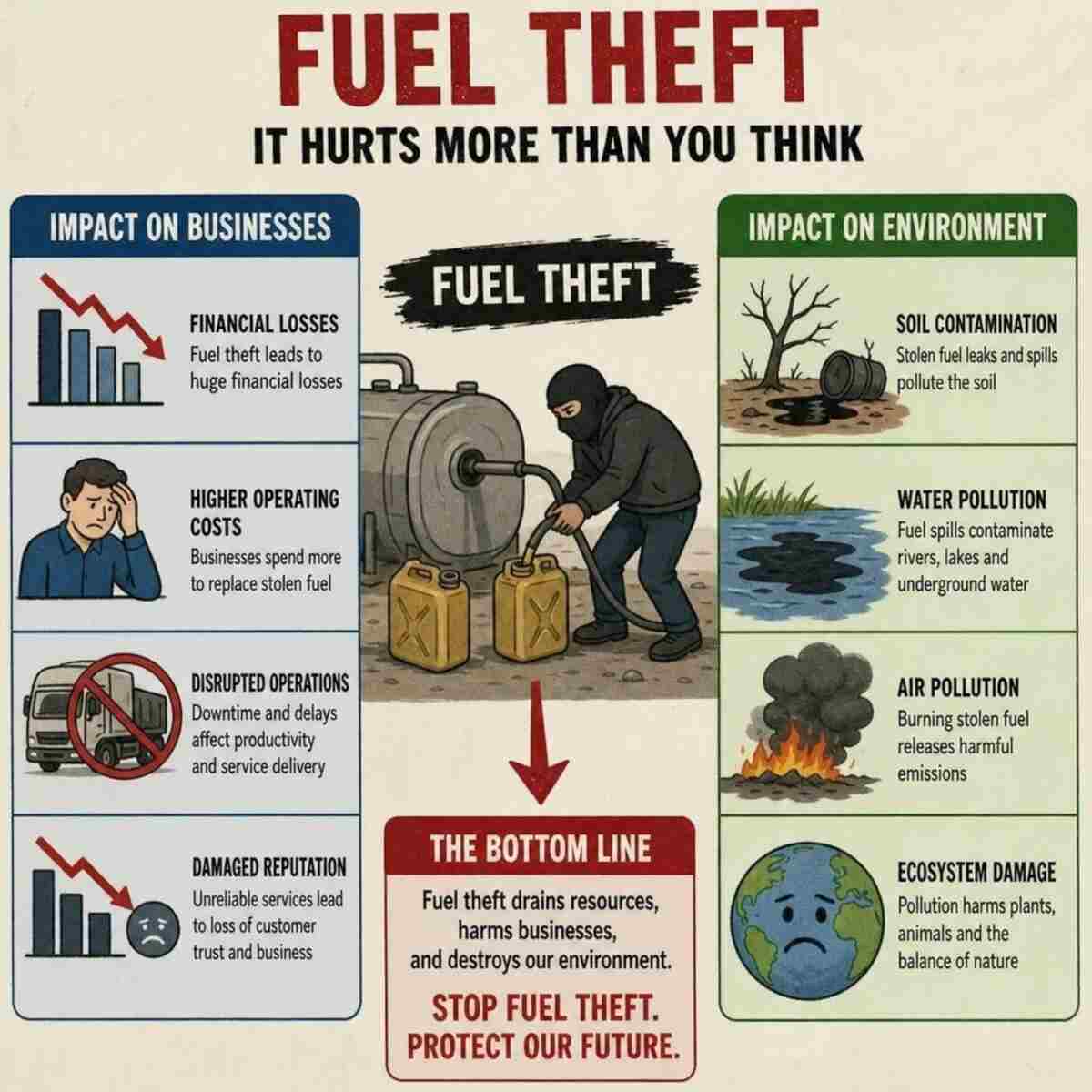

Fuel theft is a growing concern for vehicle owners and fleet managers. It can lead to significant financial losses and operational disruptions. One common method thieves use is fuel tank siphoning. The actual Interesting Info about Fuel Tank Siphoning.
Fuel tank siphoning involves removing fuel from a vehicle’s tank without permission. This method is quick and often goes unnoticed until it’s too late. The impact of fuel theft extends beyond financial loss.
It can also affect vehicle performance and lead to environmental hazards. Preventing fuel theft requires a comprehensive approach. This includes physical barriers, technological solutions, and behavioral strategies.
Locking fuel caps and anti-siphon devices are effective physical barriers. They make it difficult for thieves to access the fuel tank. Technological solutions like alarms and GPS tracking provide real-time alerts.
These systems can notify owners of unauthorized access or unusual fuel usage. Behavioral strategies involve educating employees and drivers about fuel theft prevention. Regular audits and monitoring can help detect theft early.
Environmental measures, such as secure parking and surveillance, also play a crucial role. By combining these methods, vehicle owners can significantly reduce the risk of fuel theft.
Understanding Fuel Theft: The Scope and Impact
Fuel theft is an escalating issue impacting various sectors globally. It affects individuals, small businesses, and large corporations alike. The implications of fuel theft are multifaceted and can be severe.
Firstly, the financial repercussions are significant. Stolen fuel equates to direct monetary losses for vehicle owners and fleet managers. These losses can accumulate quickly, affecting the overall profitability of businesses.
Moreover, operational disruptions are a common consequence. Vehicles sidelined due to empty tanks can halt logistics operations. This downtime can lead to missed deliveries and damaged business relationships.
Fuel theft also poses environmental risks. Spilled fuel during siphoning can contaminate soil and water sources. This situation leads to additional costs for cleanup and environmental compliance.
Beyond financial and environmental impacts, there’s a growing concern about safety. Fuel theft incidents can sometimes escalate, resulting in vehicle damage or accidents. Such events can create additional repair and replacement costs.
The problem of fuel theft is not isolated to any one region or industry. It affects urban and rural areas, impacting all modes of transport. Whether on-road trucking, agricultural machinery, or marine vessels, all are at risk.
Understanding the methods used by thieves can aid prevention efforts. Common techniques include accessing tanks directly, bypassing security systems, and exploiting parking vulnerabilities.
Increasing awareness and implementing effective security measures are crucial steps toward curbing this issue. By acknowledging the true scope and impact of fuel theft, stakeholders can better prepare and respond.
Here’s a quick recap of key impacts:
- Financial losses and reduced profitability
- Operational disruptions and downtime
- Environmental contamination and cleanup costs
- Safety risks and potential accidents
How Fuel Tank Siphoning Works
Fuel tank siphoning is a method thieves use to illegally extract gasoline. It involves drawing fuel from a vehicle’s fuel tank, often using a siphon hose. This process, though seemingly straightforward, can be highly effective for those with illicit intent.
Typically, thieves access the fuel tank by removing the cap. Once removed, they insert a hose into the opening. A manual pump or a simple sucking technique is then used to start the siphoning.
The siphon hose creates a vacuum that draws fuel upward. Once the siphoning begins, gravity assists the process, enabling thieves to drain large amounts of fuel quickly. Thieves often collect the stolen gasoline in portable containers.
There are variations to this method as well. Some thieves utilize electric siphoning kits. These kits, while designed for legitimate use, can be misused to pump fuel more efficiently and discreetly.
Common methods employed in fuel tank siphoning include:
- Manual pumping using a siphon hose
- Electric siphoning kits for faster extraction
- Modified tools to bypass fuel cap security
To complicate matters, some vehicle designs make it easier to siphon fuel. Older models, in particular, may lack effective security features. This lack of security allows thieves to more easily siphon fuel.
Understanding how siphoning works can aid in prevention. By recognizing these tactics, vehicle owners can implement more effective security measures. Such measures are crucial in deterring potential thieves and protecting valuable assets.
Common Signs of Fuel Theft and Siphoning
Recognizing the signs of fuel theft early can prevent significant losses. One of the most obvious signs is a sudden, unexplained drop in your fuel gauge. If your vehicle consumes fuel at an unusual rate, it might be a red flag.
You might also notice physical evidence of tampering. This could include a loose or missing fuel cap. If the ground around your parking area is stained with fuel spills, it’s worth investigating.
Besides visible indicators, performance issues can arise. Vehicles with stolen fuel might start to stutter or run poorly. This happens because fuel siphoning can sometimes introduce air into the system.
Regularly monitoring fuel levels can also help detect anomalies. Keep track of refueling patterns and compare them with expected fuel usage. Discrepancies could be a warning sign.
Here are some key indicators of possible fuel theft:
- Fuel levels dropping unexpectedly
- Fuel cap showing signs of tampering
- Poor vehicle performance post-theft
- Fuel spills near parking locations
Being proactive and attentive can mitigate risks. Understanding these signs allows for quicker responses and better protection. Implementing preventive measures when these indicators are noticed can deter future thefts.
High-Risk Environments and Vulnerable Vehicles
Certain environments are more prone to fuel theft incidents. Remote areas without surveillance or regular traffic make easy targets for thieves. Vehicles parked in dimly lit areas are also at greater risk.
Urban settings present unique challenges. High-density areas might not have security measures in place due to space constraints. Additionally, the anonymity in crowded cities can embolden thieves.
Certain types of vehicles are especially vulnerable. Older models might lack modern anti-theft technology, making them appealing to criminals. Large fleets and commercial vehicles offer more opportunities for siphoning due to their size and fuel consumption.
Construction sites are another high-risk location. Equipment left overnight is often unattended, providing easy access for thieves. Agricultural vehicles in rural settings are also susceptible, especially during the off-season.
Factors contributing to heightened risk include:
- Poor lighting or isolated parking
- Lack of surveillance or security systems
- Areas with frequent vehicle turnover
- Commercial and fleet vehicles
Secure parking solutions help reduce these risks. Strategically placing vehicles within well-monitored areas can deter thieves. Installing security cameras or having on-site security personnel further boosts safety.
Identifying vulnerable vehicles and environments enables targeted prevention strategies. For fleet managers and business owners, understanding these risks is crucial to safeguarding assets and reducing theft incidents. By implementing these strategies, businesses can better protect themselves against fuel theft.
Physical Barriers: Locking Fuel Caps and Anti-Siphon Devices
Physical barriers are critical in preventing fuel theft. They serve as the first line of defense against thieves. Locking fuel caps and anti-siphon devices are among the most effective tools.
Locking fuel caps are simple yet effective. They prevent easy access to the fuel tank. Such caps require a key for removal, making theft attempts more complex.
Anti-siphon devices go inside fuel tanks. They stop siphoning by blocking hoses from reaching fuel. This makes it difficult for thieves to extract gasoline or diesel.
Many anti-siphon devices are easy to install. They vary in design but share the same purpose: preventing unauthorized access. Choosing the right model depends on vehicle type and usage.
The main benefits of physical barriers include:
- Discouraging opportunistic thieves
- Adding time and effort for thieves
- Providing a visible deterrent
These devices are affordable and can save money. They cost less than potential losses from theft. This makes them an attractive option for both individual and fleet vehicle owners.
To maximize effectiveness, combine physical barriers with other methods. For example, park vehicles in well-lit areas. Surveillance can also enhance the security these devices provide.
Regular inspections ensure that devices function correctly. Over time, locks may need lubrication or replacements. Keeping a maintenance schedule helps prevent malfunctions.
Both individuals and businesses can benefit from these simple installations. By investing in these devices, you take proactive steps to protect your assets. Understanding their importance is crucial in safeguarding your fuel supply.
Choosing the Right Anti-Siphon Device
Selecting the right anti-siphon device is vital for security. Not all devices suit every vehicle, so choose carefully. Factors to consider include the type and size of the fuel tank.
Compatibility with your vehicle is essential. Review specifications and consult the manufacturer if unsure. This ensures the device works effectively without altering fuel efficiency.
Cost varies among devices but often reflects quality. High-end models offer advanced features, while basic models provide essential security. Balance your budget with the level of security you desire.
Ease of installation should also influence your decision. Some devices require professional installation, while others are DIY-friendly. Consider your mechanical skills before purchasing.
When comparing devices, evaluate:
- Material quality and durability
- Ease of maintenance and cleaning
- Effectiveness in preventing siphoning
Seek recommendations from trusted sources or online reviews. Other vehicle owners’ experiences can guide your selection. Testimonials often highlight pros and cons that aren’t obvious.
Ultimately, the device you choose should align with your security needs and budget. Investing in the right product pays off by protecting your fuel and giving peace of mind.
Installing and Maintaining Physical Barriers
Proper installation ensures devices function as intended. Follow the manufacturer’s instructions closely. This avoids common errors that could compromise security.
Begin with a clean surface for installation. Dirt or debris can interfere with proper adhesion or fitting. This is crucial for locks and devices that rely on seals.
Routine checks prevent problems before they arise. Regularly check for wear and tear, especially if vehicles operate in harsh conditions. Signs of wear might include rust or lock stiffness.
Keep an eye out for these maintenance tasks:
- Lubricating locks regularly
- Checking anti-siphon devices for obstructions
- Inspecting for signs of tampering
Many devices require minimal maintenance, making them convenient. However, it’s wise to allocate time each month for these checks. This helps in maintaining optimal security.
Professional service can sometimes detect issues you might miss. Consider an annual inspection by a qualified mechanic. This adds a layer of security and ensures your systems are always in top shape.
Technological Solutions: Alarms, GPS, and Monitoring Systems
Technological solutions are transforming fuel theft prevention. They offer advanced tools to guard against fuel siphoning. Alarms, GPS, and monitoring systems significantly enhance vehicle security.
Fuel tank alarms detect unauthorized access. Sensors activate an alert when tampering occurs. This immediate response deters many would-be thieves.
GPS tracking devices monitor vehicle locations. They provide real-time updates on movements and stops. This data helps identify suspicious activity promptly.
Monitoring systems track fuel consumption and levels. They detect unusual drops in fuel, which may indicate theft. Early detection can prevent significant losses.
Here are some benefits of technological solutions:
- Real-time monitoring for quick responses
- Detailed reporting for analysis
- Enhanced security through automation
Combining alarms with GPS creates a robust security network. It’s harder for thieves to act without being noticed. Integrated systems provide a comprehensive view of vehicle security.
Technological tools require some initial setup. However, the long-term benefits outweigh the time and cost. Investing now can save substantial amounts later.
Data from these systems assists in uncovering theft patterns. Knowing when and where thefts happen helps in planning defenses. This information is invaluable in strategizing for protection.
For businesses, these solutions are essential. They help ensure fleet vehicles remain safe from fuel theft. Investment in technology is a proactive step in risk management.
Fuel Tank Alarms and Sensors
Fuel tank alarms provide an immediate response to tampering. These systems detect unauthorized attempts to access fuel tanks. They emit loud noises to deter thieves and draw attention.
Sensors are critical for effective alarms. They sense movement or pressure changes. Once triggered, the system can alert vehicle owners or security personnel.
Advantages of using fuel tank alarms include:
- Immediate deterrence through sound
- Automatic activation and alerts
- Increased awareness among potential thieves
These alarms are adaptable to various vehicles and environments. They cater to both personal cars and commercial fleets. This flexibility makes them a popular choice.
When choosing a system, consider its range and sensitivity. Effective alarms cover the entire tank area. This ensures no entry point goes unmonitored.
GPS Tracking and Automated Alerts
GPS tracking enhances vehicle and fuel security. It pinpoints exact vehicle locations at all times. This is particularly useful for fleet management.
Automated alerts notify you of irregularities. They report unauthorized stops or deviations from routes. This quick flow of information enables immediate action.
Important factors when implementing GPS systems are:
- Real-time tracking capabilities
- Compatibility with different vehicles
- Ease of integrating automated alerts
GPS systems pair well with other security measures. When combined with alarms, they offer a robust defense against theft. This integration strengthens your security approach.
Furthermore, GPS aids in recovering stolen vehicles faster. Authorities use location data to track and retrieve assets. This reduces potential losses and enhances recovery rates.
Data Analytics and Fuel Usage Reporting
Data analytics revolutionizes fuel theft prevention. It turns raw data into actionable insights. This process helps identify unusual fuel consumption patterns.
Fuel usage reports highlight discrepancies. Sudden consumption spikes may indicate siphoning. These reports provide a comprehensive overview of fuel use.
Key aspects to consider include:
- The accuracy of data collection
- User-friendly reporting formats
- Integration with existing systems
Analytics helps in resource allocation. It identifies trends, allowing for better planning and budgeting. Detailed reports ensure efficient fuel management.
By leveraging data, you also enhance operational efficiency. Fuel usage can reveal vehicle maintenance needs or inefficiencies. These insights contribute to smoother operations and reduced costs.
Behavioral and Procedural Strategies
Behavioral and procedural strategies form a crucial layer in fuel theft prevention. These strategies focus on actions and processes within organizations. By cultivating awareness, they reduce opportunities for theft.
Employee involvement is key to success. Well-informed staff can spot and deter suspicious activity. Proper training equips them with the knowledge needed to act effectively.
Organizations should develop comprehensive procedures. These procedures standardize responses to potential theft. Consistent application enhances overall security.
Consider the following strategies:
- Establish clear theft reporting mechanisms.
- Conduct routine checks of fuel storage and usage.
- Promote a culture of vigilance and responsibility among employees.
Documentation is also essential. Keeping accurate fuel records helps spot inconsistencies. It provides a basis for audits and investigations.
Procedural checks need regular updates. Keeping procedures current ensures effectiveness against evolving theft tactics. Adaptation is crucial for staying one step ahead.
Behavioral strategies empower staff to make security a priority. This empowerment comes from creating a transparent and secure environment. Open communication about theft threats reinforces this culture.
Employees should be encouraged to report potential vulnerabilities. Addressing these concerns proactively strengthens security measures. Collaborative efforts lead to comprehensive protection.
Employee Training and Awareness
Employee training is vital in fuel theft prevention. It builds knowledge and fosters a proactive culture. Well-trained employees are your first line of defense.
Training programs should be comprehensive and engaging. They should cover fuel theft methods, prevention techniques, and response actions. This approach ensures employees are well-prepared.
Implement training initiatives such as:
- Workshops on recognizing fuel theft signs
- Instruction on emergency procedures
- Regular updates on new security technologies
These programs should be ongoing. Refreshers keep information fresh and relevant. A culture of continuous learning keeps theft prevention top-of-mind.
Awareness campaigns highlight security importance. They remind staff of their role in prevention. Visual aids and reminders reinforce these messages daily.
Regular Audits and Fuel Monitoring
Regular audits enhance fuel security. They identify irregularities and ensure compliance with procedures. Audits provide a structured approach to theft prevention.
Fuel monitoring tracks usage and levels consistently. It provides data for informed decision-making. Monitoring combined with audits creates a strong defense.
Implement these practices for effective monitoring:
- Schedule routine audits of fuel usage and storage
- Use monitoring software for accurate tracking
- Analyze audit results to find areas for improvement
Audits should be thorough yet non-disruptive. Their goal is to identify weaknesses without halting operations. The data collected aids in making necessary adjustments.
Monitoring systems provide real-time data. This immediate insight allows quick responses to unusual fuel consumption. Combining audits with monitoring strengthens overall security.
Environmental and Site Security Measures
Environmental and site security measures play a vital role in preventing fuel theft. By shaping the physical environment, these measures deter unauthorized access effectively.
Lighting is essential. Well-lit areas discourage thieves by eliminating places to hide. Bright lights signal that a location is under observation.
Fencing creates physical barriers against intruders. High, robust fences are hard to climb. They physically prevent access to fuel storage areas.
Surveillance cameras provide a constant watchful eye. Modern systems offer high-definition footage and remote access capabilities. This technology offers both deterrence and evidence collection.
Consider implementing these environmental security measures:
- Strategically place bright lighting throughout the site.
- Install tall, secure fencing around fuel tanks.
- Use surveillance cameras with night vision and recording capabilities.
Regular maintenance of security equipment is crucial. Faulty systems can become liabilities, so schedule regular checks and updates. An active maintenance schedule ensures optimal performance.
Site security requires consistency and vigilance. Combining multiple measures increases overall effectiveness. This comprehensive approach secures fuel and other valuables.
Lighting, Fencing, and Surveillance Cameras
A well-illuminated site is less attractive to thieves. Sufficient lighting acts as a visual warning, discouraging potential intruders. Visibility reduces the anonymity that criminals rely on.
Fencing is a fundamental deterrent. Robust fences are difficult to breach, delaying or preventing entry. The sight of a secure boundary can deter attempts.
Surveillance cameras act as both a deterrent and an investigative tool. Placing them strategically enhances coverage and visibility. They capture clear evidence in case of a security breach.
To enhance site security:
- Use LED lights for energy-efficient illumination.
- Install fencing with a secure lock mechanism.
- Opt for cameras with motion detection and alarm functions.
Lighting should cover all critical areas. Avoid shadows where intruders can hide. A comprehensive lighting plan improves overall site security.
Cameras should have a clear field of view. Regularly review footage to assess and improve coverage. Integrating these elements ensures a safe and secure environment.
Secure Parking and Restricted Access
Secure parking strategies are critical to protecting fuel assets. Organized parking deters theft by reducing access points. A well-secured area signals controlled access.
Restricting access limits potential threats. Controlling who enters and exits ensures only authorized individuals get through. This control adds a significant layer of security.
Best practices for securing parking and access include:
- Designated parking zones with clear signage.
- Access gates with ID verification.
- On-site security personnel during vulnerable hours.
Parking zones should be strategically located. They should maximize visibility from various vantage points. This visibility acts as a deterrent to unauthorized actions.
Restricting entry points minimizes risk. It simplifies the monitoring process and ensures stricter control. Implementing these measures secures the environment against potential threats.
Fleet Management Best Practices
Managing a fleet efficiently involves anticipating potential risks. Fuel theft is one such risk that demands proactive strategies. Implementing best practices in fleet management not only safeguards fuel but also enhances operational efficiency.
Regular training for drivers is crucial. Educating them on recognizing signs of theft can reduce incidents. Knowledgeable employees act as the first line of defense.
Maintaining detailed fuel records helps track consumption patterns. Discrepancies can indicate potential theft. Accurate records support swift detection and action.
Consider these fleet management practices:
- Conduct quarterly audits of fuel usage.
- Implement driver accountability measures.
- Establish clear protocols for fuel storage.
Routine vehicle maintenance ensures security features function effectively. Checking for tampered components minimizes vulnerabilities. A well-maintained fleet is a secure fleet.
Adopting technology can streamline monitoring efforts. GPS systems and telematics offer real-time data. These tools support swift, informed decision-making.
Investment in fuel security can offer substantial returns. Loss prevention contributes directly to profitability. A secure fleet is also a more efficient and reputable one.
Collaborate with insurance providers for optimized coverage. Ensuring comprehensive policies protects assets further. Insurance can also guide implementation of effective prevention measures.
Integrating Fuel Theft Prevention into Fleet Policies
Fleet policies should encompass comprehensive theft prevention strategies. Integrating these measures ensures a unified approach. Cohesive strategies reduce inconsistencies across operations.
Policies should include detailed guidelines for handling fuel. Clear procedures minimize mishandling and potential theft. Staff adherence reinforces security efforts.
Key elements to incorporate in fleet policies:
- Mandatory driver training sessions.
- Defined roles and responsibilities for fuel handling.
- Regular vehicle inspection schedules.
Developing policy frameworks requires collaboration. Involving multiple departments guarantees thoroughness. Perspectives from operations to finance ensure well-rounded solutions.
Monitor the effectiveness of policies routinely. Regular review identifies areas needing improvement. Adapting to changes in the risk environment sustains policy relevance.
Enforce policies consistently across the fleet. Compliance ensures broader effectiveness and security. Fuel theft prevention becomes part of the organisational culture.
Insurance, Reporting, and Legal Considerations
Fuel theft prevention extends beyond physical and procedural measures. Adequate insurance coverage protects against potential losses. Policies tailored to fleet needs offer peace of mind.
Reporting theft incidents promptly is crucial. Timely reporting aids law enforcement investigations. It also supports insurance claims by providing necessary documentation.
Legal compliance is non-negotiable. Understanding regional regulations ensures adherence. Compliance reduces legal vulnerabilities and enhances trust with stakeholders.
Consider these insurance and legal practices:
- Collaborate with insurance providers for tailored solutions.
- Maintain updated records of theft incidents.
- Ensure alignment with local and international regulations.
Regularly review insurance policies. Ensure coverage aligns with the evolving nature of fleet operations. Consistent evaluation keeps strategies effective and current.
Fostering relationships with law enforcement can be beneficial. Cooperation can aid in quicker resolution of incidents. It strengthens community efforts against fuel theft.
Case Studies: Real-World Examples of Fuel Theft Prevention
Examining real-world examples of fuel theft prevention provides valuable insights. Learning from successful strategies can guide future efforts. These case studies highlight practical solutions and their impacts.
Transportation Company Success
A major transportation company faced significant losses due to fuel theft. They decided to install anti-siphon devices across their fleet. Within months, theft incidents decreased dramatically.
The company also invested in GPS tracking systems. Real-time monitoring of vehicles curbed unauthorized stops. This technology reduced theft and improved logistics efficiency.
Local Government Initiative
A local government faced theft in public transit systems. They implemented a public awareness campaign. Encouraging community vigilance reduced incidents significantly.
The government also upgraded infrastructure with surveillance cameras. This addition deterred potential thieves effectively. Combining technology and community efforts resulted in cost savings.
Construction Firm Measures
A construction firm experienced substantial fuel losses on remote sites. They introduced a comprehensive fuel monitoring system. Regular audits and on-site fuel supervisors were appointed.
Key strategies used by the firm included:
- Employing on-site security personnel.
- Implementing strict access controls.
- Conducting frequent fuel inventory checks.
These measures reduced fuel theft significantly. They also enhanced overall site security. The firm reported increased productivity due to decreased disruptions.
Lessons for Broader Application
Each case demonstrates unique approaches to prevention. The common thread is proactive and multi-faceted strategies. Tailoring solutions to specific scenarios ensures effectiveness.
Studying these examples facilitates better planning. It encourages innovation and adaptability in combating fuel theft. Continued sharing of experiences builds a stronger collective defense.
Frequently Asked Questions About Fuel Theft Prevention
Fuel theft is a concern for many vehicle owners. Here are answers to common questions about preventing it.
How do I know if fuel is being siphoned?
Look for sudden drops in fuel levels. Other signs include fuel odors near the tank and scratches around the cap.
Are anti-siphon devices effective?
Yes, anti-siphon devices prevent hose insertion into tanks. They are a physical barrier against theft attempts.
Can fuel theft occur even with these devices?
While they deter siphoning, thieves might resort to other methods. Combining them with other security measures increases protection.
Are there digital solutions to prevent theft?
Absolutely, GPS tracking and fuel monitoring systems detect unusual activity. These tools help manage and secure fuel resources effectively.
Is professional installation of security devices necessary?
Not always; some devices can be installed by vehicle owners. However, professional advice ensures correct and effective setup.
Key prevention tactics include:
- Installing anti-siphon devices.
- Using locking fuel caps.
- Implementing digital monitoring systems.
Understanding these facets bolsters a comprehensive security strategy.
Conclusion: Building a Comprehensive Fuel Theft Prevention Strategy
Fuel theft can have significant financial and operational impacts. A multi-layered strategy is crucial in preventing it effectively.
Combine both physical and technological barriers. Use locking fuel caps, anti-siphon devices, GPS tracking, and fuel alarms.
Educating employees on best practices also plays a critical role. Awareness leads to vigilance, reducing opportunities for theft.
Regular audits and fuel level monitoring help spot inconsistencies early. This proactive approach minimizes risks and losses.
Environmental measures should not be overlooked. Secure parking, proper lighting, and surveillance reinforce your defenses.
To build an effective fuel theft prevention strategy, consider:
- Integrating physical security solutions.
- Utilizing digital monitoring tools.
- Implementing educational programs.
- Conducting regular checks and audits.
- Enhancing site and environmental security.
A comprehensive approach addresses various angles and adapts to new threats. By staying informed and vigilant, you safeguard resources effectively. This strategy ensures long-term protection and peace of mind.
